After the Notice: Recovering a Three Counties Renovation When the Builder Becomes Insolvent
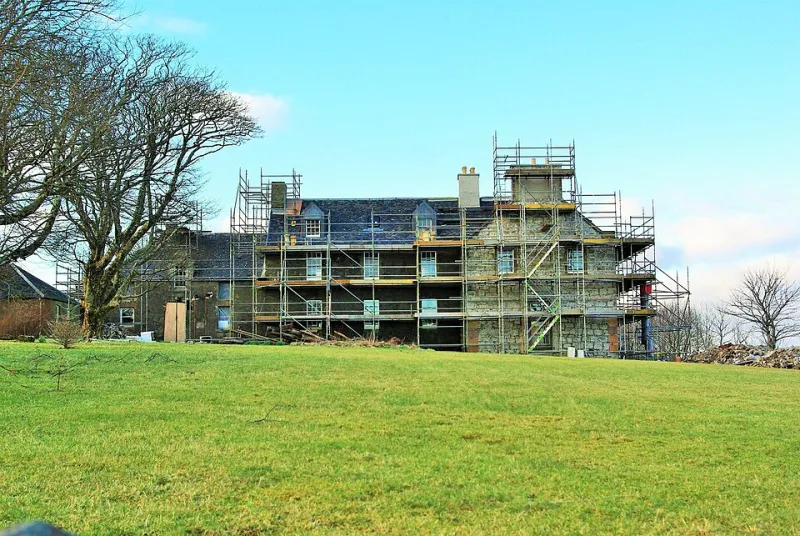
Photo: Tiger , CC BY-SA 2.0, via Wikimedia Commons
A renovation can stop with scaffolding still up, a half-finished roof covering, materials stacked in the hall and several stage payments already made. The immediate instinct is often to find someone to blame or someone to take over by the end of the week. Neither impulse is usually the most useful first step. Insolvency is a legal and financial process, not simply a disappearance, and the homeowner’s priority is to protect people, property, evidence and contractual position in that order.
This guidance is written for homeowners across the Three Counties who find themselves dealing with a contractor failure during an extension, renovation or repair project in 2026. It is general editorial advice, not legal advice. Where sums, structural work or disputed contracts are involved, take qualified professional advice early.
Make the Site Safe Before Anything Else
Safety comes before paperwork. If the builder has left the site, do not allow casual access. Secure gates, doors and containers where possible, but do not enter unsafe areas or attempt temporary structural work unless you are competent to do so. If there is an immediate risk from scaffolding, an unstable opening, exposed services or a partially removed roof, contact the relevant local authority building control team and, where necessary, the emergency services or utility providers. Keep a dated note of who you contacted and when.
Take photographs and video before anything is moved. Record the condition of the site, the materials present, the state of any temporary weatherproofing and the position of tools or plant. This record will matter to insurers, warranty providers, a replacement contractor and, potentially, an insolvency practitioner. Do not remove materials that may belong to suppliers or the failed company until ownership is clear.
Establish the Contract and the Builder’s Status
Find the contract. It may be a JCT form, a RIBA form, a bespoke agreement or a series of emails and quotations. Look for payment terms, termination provisions, retention, vesting clauses and any clause dealing with insolvency. Check whether the contract says who owns materials at each stage and whether the builder can charge for work not yet completed. Gather invoices, bank records, payment schedules, variation notes, drawings, building control approvals and warranty documents into one file.
Check the builder’s status properly. Companies House will show whether a company is still active, in administration, in liquidation or subject to another insolvency process. If an insolvency practitioner has been appointed, correspond with that practitioner rather than relying on site rumours or informal messages. Do not make further payments to the old account without written confirmation that the payment will be received for the benefit of the estate. If the contract allows termination for insolvency, take advice before serving notice, because the wording and timing can affect your position.
Notify Insurers, Warranty Providers and Lenders
Notify your insurer if the site is now unoccupied, less secure or exposed to weather. Standard household policies may not cover contract works, and construction insurance may be arranged by the builder. Ask directly what cover remains and what conditions apply. If you have a mortgage or development loan, tell the lender that work has stopped and explain the interim security measures.
Structural warranty providers and building control bodies should also be told. If the original builder was registered with a warranty scheme, ask what can be transferred or retained and what evidence is needed before replacement work begins. Notify the warranty provider before new contractors alter existing work. If party wall awards are in place, inform the appointed surveyors that the project has paused and that a different contractor may be appointed.
Protect Unfinished Work and Materials
Weatherproofing is a priority. Loose coverings, open roof lights, missing windows and exposed cavities can cause damage far beyond the value of the unfinished work. Ask a competent contractor to make temporary provisions only after checking insurance and ownership issues. Scaffolding may be hired by the builder; contact the scaffold company directly to establish the contract position and avoid unnecessary hire charges or premature dismantling.
Inventory materials and keep receipts where available. Secure what can be secured, but do not use materials whose ownership is disputed. If suppliers have retention of title claims, they may contact you. Keep a clear log of all communications, site visits and instructions. A written chronology is more useful than a collection of recollections.
Appoint a Replacement Contractor Carefully
The replacement contractor should be asked to complete the existing work, not to price a fresh project as though nothing had been built. Provide drawings, approvals, photographs, warranty information and a schedule of what remains. Ask each tenderer to identify any defects or incomplete work in the existing structure and to price their completion scope separately from remedial work. Check references, insurance, competence and financial standing before appointment.
The new contract should deal expressly with responsibility for existing work, building control, warranty requirements and the interface between old and new work. Avoid large upfront payments. Stage payments linked to verified progress are safer. A chartered surveyor or independent project manager can be useful where the remaining work is complex or the original contract is disputed.
Common Traps to Avoid
Do not pay trades directly simply to keep them on site unless the contract and insolvency practitioner’s position support it. Do not assume that insurance covers builder insolvency; many policies do not. Do not employ a new company run by the same individuals without fresh checks and a clear contract. Do not remove or dispose of materials that may belong to others. Do not delay notifying insurers or warranty providers until replacement work has started.
The most common financial trap is paying twice for the same work because the original payments were not evidenced. The most common legal trap is terminating a contract informally without checking the notice provisions. The most common practical trap is allowing unfinished work to deteriorate while arguments continue.
A Short Recovery Sequence
Secure the site and record its condition. Establish the contract terms and the builder’s insolvency status. Notify insurers, warranty providers, lenders and building control as appropriate. Protect the work and materials without creating new disputes. Tender the completion scope with itemised pricing. Document every decision and keep the paper trail complete.
A builder’s insolvency is disruptive, but it is rarely improved by haste. A measured sequence protects the value already built and gives the next contractor a clearer site to inherit.