A Year of Small Checks: A Seasonal Maintenance Routine for Three Counties Homes

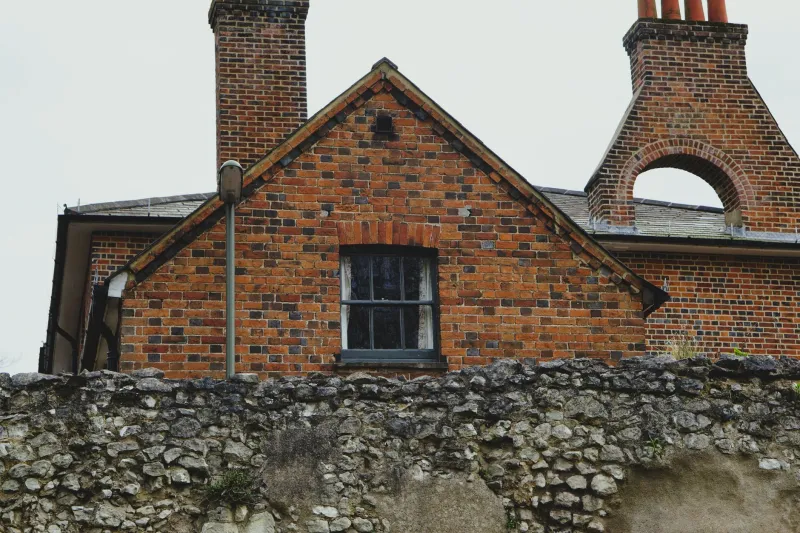
Photo: UK homeowner inspecting gutters and exterior of period house in autumn, via s3.amazonaws.com
Maintenance is rarely urgent until it is. A gutter that has quietly filled with moss, a cracked mastic joint or a slipped slate may cause no visible problem for months, then appear as damp staining on an internal wall or a soft patch in a ceiling. Across the Three Counties, where housing stock ranges from Victorian terraces and stone cottages to 1970s estate houses and recent extensions, the most reliable defence is not a single annual overhaul but a sequence of small, regular checks.
A calendar helps because it matches the work to the seasons. Some tasks are easier in dry weather, some should be completed before leaf fall, and others are best left until the risk of frost has passed. The routine below is intentionally modest. It is not a substitute for professional inspection, but it does give homeowners a structured way to notice change early.
Why a calendar works better than a spring clean
A one-off spring tidy tends to focus on appearance. A calendar focuses on performance. Gutters, downpipes, roof coverings, render, painted timber and drainage all respond to the same annual cycle of rain, wind, frost and growth. Checking them at the right moments makes defects easier to identify and cheaper to correct.
The other advantage is record-keeping. A note of when a gutter was last cleared, when a crack was first seen or when a contractor last attended is often more useful than memory alone. It also helps when selling a property or instructing a builder, because the history of the building is clearer.
January and February: after the worst of the weather
After winter storms, begin with a ground-level inspection. Look at the roof line for slipped or missing tiles and at the gutters for sagging or detached sections. Check downpipes for obvious blockages and make sure external drains and gullies are free of leaves and silt. Look at fences, gates and external stores for storm damage.
This is also the time to check for condensation and damp internally, particularly in older properties with solid walls or limited ventilation. A musty smell, mould growth in corners or paint blistering near windows can indicate a persistent moisture problem rather than a one-off winter issue.
Most of this can be done safely from the ground. Do not climb onto a roof in wet, icy or windy conditions. If a defect is visible but not accessible from a ladder at low level, call a professional.
March and April: woodwork, render and the first exterior survey
As the weather improves, inspect painted timber. Windows, doors, fascia boards and bargeboards should be checked for flaking paint, soft edges and open joints. Minor rubbing down and repainting can prevent water ingress, but any soft timber or persistent dampness should be investigated before it is painted over.
Render should be checked for hairline cracks, hollow areas and staining. Small cracks may be routine, but widening cracks, cracks near openings or areas that sound hollow when tapped gently can point to movement or failed substrate. Brickwork should be checked for eroded mortar, particularly on exposed elevations. Repointing is skilled work and should not be rushed.
This is a good month to clean windows, check seals around frames and clear any debris from airbricks and ventilation grilles. It is also the right time to book any planned professional work for the drier months, when contractors are often busier.
May to August: the quieter season for planned work
The warmer months are best used for planned maintenance rather than emergency repairs. External painting, minor joinery repairs, fence repairs and the cleaning of paths and drains are all easier in dry conditions. Check that external taps, hoses and irrigation fittings are not leaking, and inspect paved areas for movement or poor drainage.
This is also the period to check shading and ventilation. If a room has become uncomfortably warm, the cause may be as simple as blocked vents or failed window seals. For older properties, avoid sealing up ventilation paths that were designed to keep the building dry.
Where work at height is needed, use a competent contractor. Ladder work is a common cause of injury, and roof or gutter repairs carried out without proper access equipment can create more damage than they solve.
September and October: preparing for leaf fall and rain
Before the autumn leaf fall becomes heavy, clear gutters and downpipes. Check that water discharges away from the building rather than pooling at the base of walls. Inspect gullies, channel drains and soakaways for silt. If water stands in a drain or backs up at a downpipe, investigate before the winter rains arrive.
Check door thresholds, external steps and low-level airbricks for signs of water tracking in. Look at roof coverings from ground level and book a professional roof inspection if there are loose flashings, cracked mortar or repeated damp patches. Clear leaves from paths and keep external drains accessible.
This is also a sensible time to check exterior lighting, alarm fittings and any exposed pipework that may need lagging before frost.
November and December: storm readiness and winter checks
Before winter sets in, secure loose fence panels, garden furniture and stored items that could cause damage in high winds. Check that external pipes are lagged where necessary and that taps are drained if they are not frost-resistant. Confirm that gutters are clear and that downpipes are firmly fixed.
Internally, pay attention to condensation and ventilation. Drying clothes indoors, sealed windows and cold surfaces can create moisture problems in any home, but older properties are particularly sensitive. Use extract fans, open windows briefly when appropriate and avoid blocking airbricks.
Keep a simple record of any defects noticed during the year. A photograph with a date is often enough to show whether a crack is stable or progressing.
What to do yourself and when to stop
Homeowners can safely carry out ground-level checks, clean accessible gutters with proper equipment, clear leaves, repaint small areas of timber and record defects. They should not attempt roof work, ladder work at height, electrical repairs, gas work, structural alterations or drainage investigations that require excavation.
Where a defect involves water entering the building, movement in walls, failed roof coverings or repeated dampness, call a suitably qualified professional. Early advice is usually cheaper than emergency repairs.
A simple record that earns its keep
A maintenance calendar does not need to be elaborate. A notebook or spreadsheet with the date, the area checked, the defect found and the action taken is sufficient. Over time, that record becomes a practical history of the building and a useful brief for any contractor. The routine pays for itself not through dramatic interventions, but by preventing small, ordinary defects from becoming expensive ones.